



Advances in reproductive medicine have made it possible for millions of couples facing infertility to have children. Technologies such as in vitro fertilization (IVF) rely on human eggs (ova) to create embryos in a laboratory. While this medical progress has brought hope to many families, it has also created a troubling underground market known as human egg trafficking.
Human egg trafficking refers to the illegal or unethical recruitment, sale, or exploitation of women’s eggs for reproductive or research purposes without proper regulation, consent, or ethical safeguards.
Health authorities such as the World Health Organization and regulatory bodies like the Indian Council of Medical Research have raised concerns about unethical egg donation practices occurring in some parts of the world.
What Is a Human Egg and Why Is It Valuable?
A human egg cell (ovum) is the female reproductive cell required for pregnancy. In natural conception, an egg released from the ovaries is fertilized by sperm.
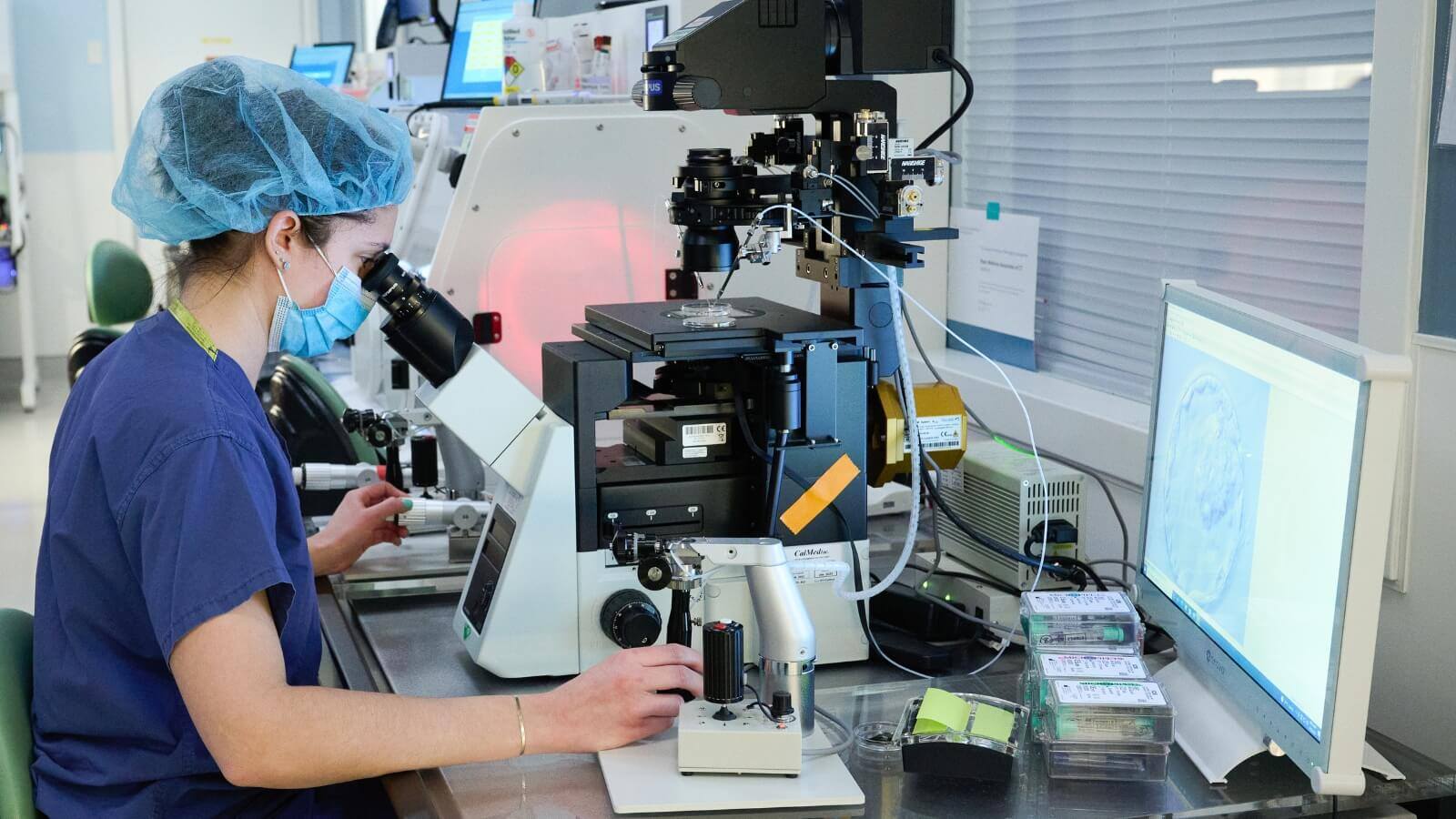
In assisted reproductive technologies like In Vitro Fertilization, eggs are retrieved from a woman’s ovaries and fertilized in a laboratory to create embryos.
Eggs are considered valuable because:
- each woman produces a limited number of eggs
- egg retrieval requires a medical procedure
- eggs are essential for fertility treatments
- some women cannot produce viable eggs due to medical conditions
Because of this demand, a market has developed where women may donate eggs voluntarily. However, when money, coercion, or illegal recruitment enter the process, it can become trafficking.
How Human Egg Trafficking Happens
Human egg trafficking can occur in several ways.
1. Exploitation of Poor Women
Young women, especially students or economically vulnerable individuals, may be lured with financial incentives to donate eggs repeatedly.
They are often promised:
- large payments
- quick medical procedures
- minimal health risks
In reality, some women undergo multiple egg extraction cycles, which can be harmful to their health.
2. Illegal Fertility Clinics


4
Some unregulated fertility clinics may obtain eggs through improper consent processes or through intermediaries who recruit donors.
In extreme cases:
- donors are not fully informed about risks
- medical records are falsified
- eggs are sold internationally
These practices violate medical ethics and reproductive rights.
3. Cross-Border Reproductive Markets
Egg trafficking is sometimes linked with international fertility tourism.
Couples from wealthier countries travel to regions where:
- medical costs are lower
- regulations are weaker
- donor recruitment is easier
This creates a global supply chain where eggs may be recruited in one country and used in another.
Health Risks for Egg Donors
Egg retrieval is not a simple procedure. It requires hormonal stimulation and surgery.
Possible health risks include:
Hormonal Complications
Women must take hormones to stimulate the ovaries to produce multiple eggs. This can cause Ovarian Hyperstimulation Syndrome (OHSS), which can lead to:
- severe abdominal pain
- fluid buildup
- blood clots in rare cases
Surgical Risks
Egg retrieval involves inserting a needle through the vaginal wall into the ovaries. Complications may include:
- infection
- bleeding
- damage to nearby organs
Long-Term Health Concerns
The long-term effects of repeated egg donation cycles are still being studied.
Ethical and Legal Concerns
Human egg trafficking raises major ethical questions:
Informed Consent
Donors must fully understand the medical risks and legal implications before donating eggs.
Financial Exploitation
When payments become the primary motivation, vulnerable women may feel pressured to undergo risky procedures.
Lack of Regulation
Without strict oversight, fertility clinics may prioritize profit over donor safety.
In India, assisted reproductive technology practices are regulated under the Assisted Reproductive Technology (Regulation) Act 2021, which aims to ensure ethical standards in fertility treatments.
Signs of Unethical Egg Donation Programs
Women should be cautious if a clinic:
- offers unusually high payments for egg donation
- encourages repeated donations within short periods
- does not provide full medical counseling
- fails to explain legal agreements clearly
Ethical fertility programs follow strict medical guidelines and protect donor health.
The Need for Public Awareness
While fertility science offers incredible possibilities for families struggling with infertility, reproductive exploitation must never become the hidden cost of medical progress.
Public awareness is essential to ensure that:
- women are not exploited for their biological resources
- fertility clinics operate under ethical medical standards
- reproductive technologies are used responsibly
Governments, medical professionals, and civil society must work together to ensure that fertility treatments remain safe, transparent, and respectful of human dignity.
Conclusion
Human egg donation, when done ethically and with full consent, can help many families achieve the dream of parenthood. However, human egg trafficking represents a darker side of the reproductive industry, where profit and demand can lead to exploitation.
Protecting women’s health and rights must remain the top priority. Awareness, regulation, and ethical medical practices are the key to preventing abuse in this sensitive area of medicine.