

You’re standing on the precipice of a new chapter, the wedding planning well underway, the excitement palpable. But a quiet rumble of dissent has been growing, a generation signaling a fundamental shift away from the very institution you’re about to embrace. Gen Z, those born roughly between 1997 and 2012, are increasingly viewing marriage not as an inevitable milestone, but as an optional, even undesirable, commitment. This isn’t just a trend; it’s a seismic cultural recalibration, and understanding its roots is critical.
Did we, their parents and older siblings, set the stage for this?
The evidence suggests we might have. Our own marriages, our divorces, the endless compromises and the societal pressures we navigated—these form the backdrop of their formative years. They see a world where individual fulfillment is prized above all else, where financial independence is a primary goal, and where the traditional union often comes with perceived limitations.
The data paints a stark picture. Recent studies indicate a significant decline in marriage rates among young adults.
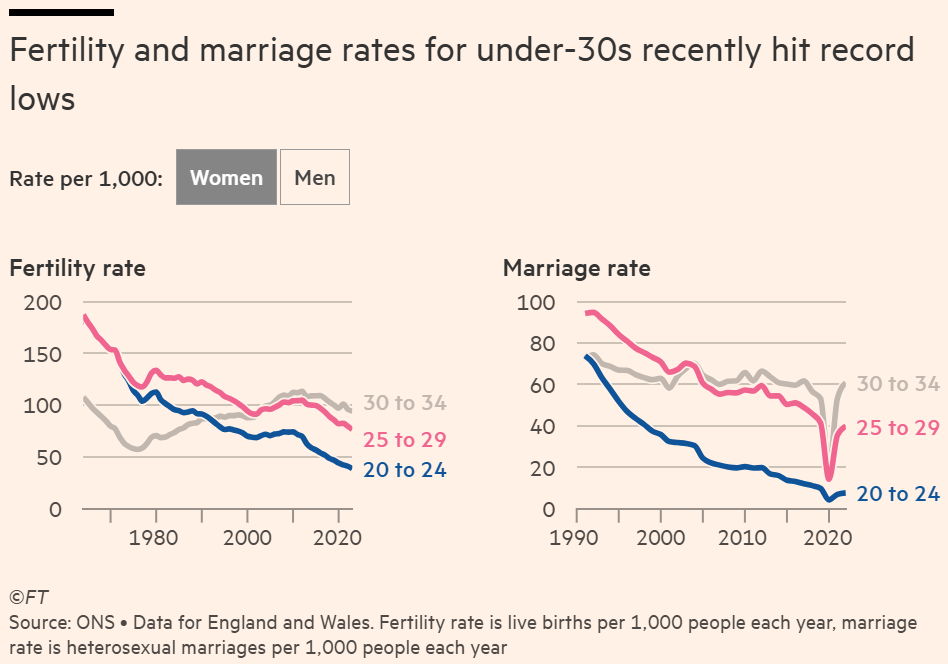
Percentage of Gen Z adults who are married vs. previous generations at the same age]. While some attribute this to economic factors, the underlying reasons run deeper, touching on evolving social values, a heightened awareness of inequality, and a pervasive skepticism towards established institutions.
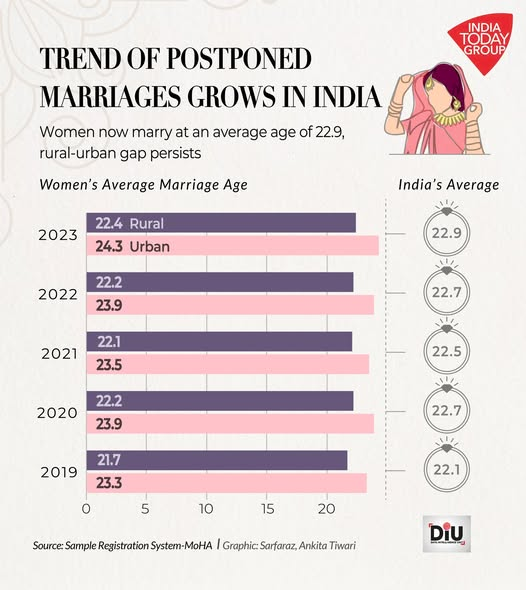
For many young women today, the narrative of “settling down” is being rewritten.
They witness careers forged with immense personal sacrifice, often supported by a partner whose own ambitions took a backseat. They see the mental load of household management disproportionately fall on women, even in seemingly egalitarian partnerships. This isn’t a theoretical discussion for them; it’s a lived reality observed in their parents’ generation or in the relationships of those around them. The perceived trade-offs of marriage—loss of independence, financial entanglement, emotional labor—can appear too high a price for a stability that feels increasingly fragile.
This perspective is amplified by an unprecedented access to information.
Social media, while a double-edged sword, exposes them to a wider array of lifestyles and relationship models than any previous generation. They see chosen families, cohabitation without legal ties, and the pursuit of personal growth as valid life paths. The specter of a “bad marriage” is not just a hypothetical fear; it’s a documented cautionary tale, readily available with a quick search. They are, in essence, armed with an arsenal of reasons not to marry, armed by the very society that once championed it as the ultimate achievement.
Consider the economic landscape.
Housing costs, student loan debt, and the rising cost of living create a precarious foundation for starting a family. For many, the idea of marriage is intrinsically linked to financial security and the creation of a home. When that foundation feels shaky, the commitment of marriage can seem like a luxury they cannot afford, or worse, a potential financial burden. A partnership might offer some economic benefits, but the legal and financial entanglements of marriage can also mean sharing liabilities, a risk many are unwilling to take.
Moreover, the cultural dialogue has shifted.
Conversations around mental health, personal autonomy, and self-love are no longer fringe topics; they are mainstream. Gen Z is actively encouraged to prioritize their well-being, to set boundaries, and to pursue happiness on their own terms. Marriage, when perceived as a potential drain on emotional or mental resources, can easily fall by the wayside in this context. They are not rejecting love or companionship; they are rejecting the idea that marriage is the only, or even the best, way to achieve it.
The pressure to marry, once a relentless societal force, has diminished.
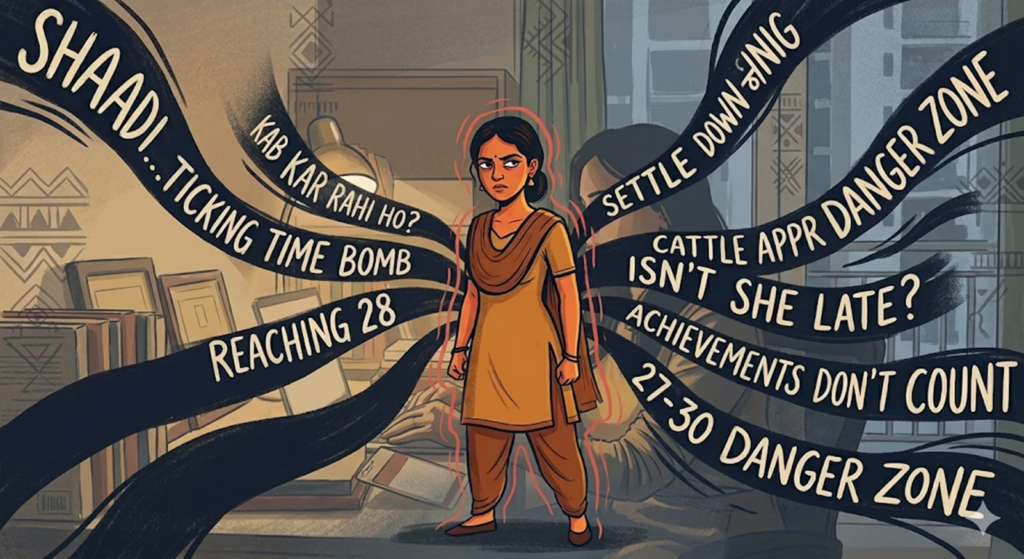
While familial expectations still exist, they are often tempered by a broader acceptance of diverse life choices. Young women today are more likely to find support for paths outside of traditional marriage, whether it’s focusing on career, travel, or other personal pursuits. This lack of external coercion, combined with the internal assessment of marriage’s perceived drawbacks, creates a powerful disincentive.
This trend poses profound questions for us.
Have our own marital struggles, our own societal judgments, inadvertently taught them to fear commitment?
Have our own quests for independence, while admirable, signaled that interdependence is a weakness to be avoided?
Have we, in our pursuit of career and personal growth, left them with the impression that partnership is a secondary concern, or worse, an impediment?
The impulse to dismiss their views as naive or misguided is strong.
But their choices are informed by a world distinctly different from the one we grew up in. They have seen the consequences of hurried commitments, the pain of broken unions, and the immense personal cost of societal expectations. They are opting for a path that, in their assessment, offers greater personal agency and a more predictable sense of well-being.
The implication for women on the cusp of marriage is this:
your decision is not just a personal one, but a reflection of generational shifts. It means understanding the anxieties and aspirations of the younger generation who may be questioning your choices. It requires a deep dive into what marriage means to you, independent of outdated norms. What are you seeking in this union? What are you willing to give, and what do you expect in return? These are the questions Gen Z is asking themselves, and perhaps, questions we should all re-examine.
The rising number of Gen Z individuals choosing not to marry is not a judgment on your impending union, but a signal of changing societal tides. It’s a testament to their desire for autonomy, financial stability, and relationships built on mutual respect and individual fulfillment, unburdened by the perceived baggage of tradition. As you embark on your journey, recognizing these shifts is not about conforming, but about understanding the broader context in which your choices are made. Your decision to marry is a powerful affirmation of love and partnership; their decision not to is an equally powerful affirmation of self and evolving values. The conversation between these two paths is just beginning.
